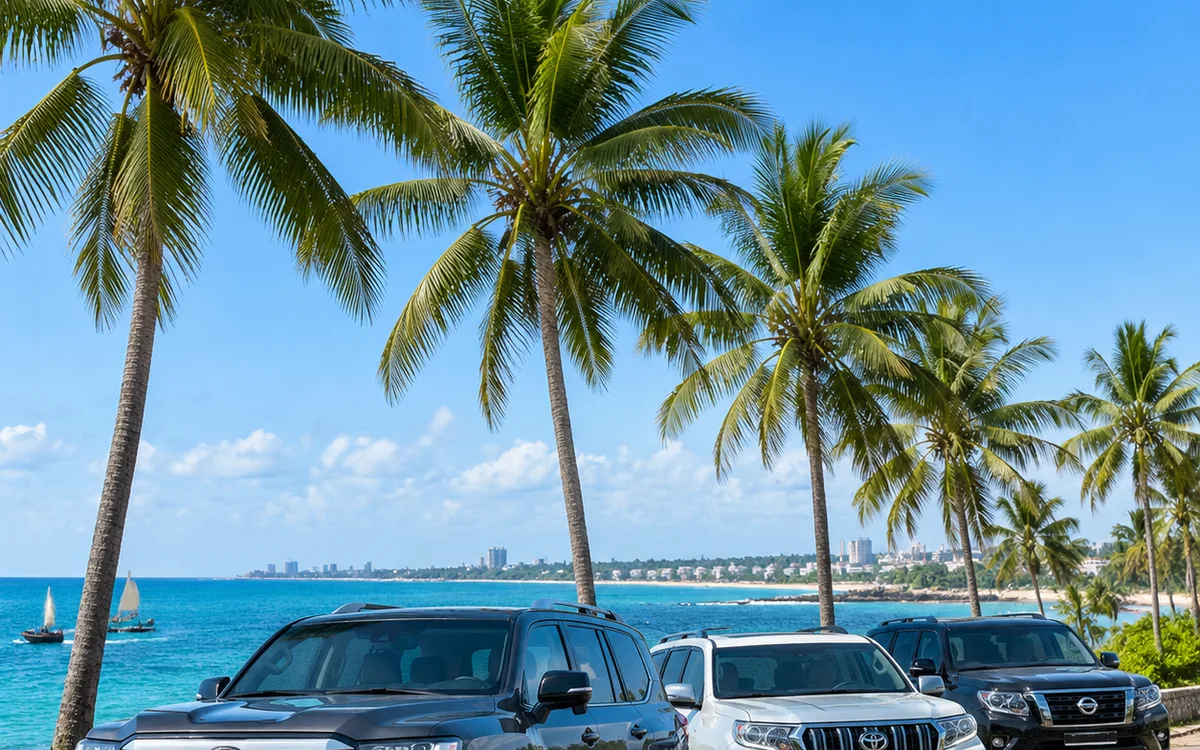
Buying Foreign Used Cars in Kenya: KRA Duty and 8-Year Rule
Quick answer: Buying foreign used cars in Kenya requires navigating strict regulations set by local authorities. As of 2026, imported vehicles must strictly comply with the KEBS eight-year age limit rule and undergo pre-shipment inspection. Buyers must pay KRA import duties based on the Current Retail Selling Price before clearing and NTSA registration.
Buying foreign used cars in Kenya remains the most popular path for drivers seeking clean, reliable vehicles directly from foreign markets like Japan, the United Kingdom, or Australia. Foreign-used imports, often referred to as ex-Japan or ex-UK models, offer superior equipment levels and better service histories compared to locally used alternatives. However, navigating the procurement process requires a clear understanding of the tax structures, regulatory compliance standards, and port clearing steps governed by the Kenya Revenue Authority and the Kenya Bureau of Standards.
Navigating this process successfully demands strict adherence to local import laws to avoid financial penalties or total rejection at the Port of Mombasa. Car buyers must factor in the vehicle purchase price, ocean freight costs, local port charges, and heavy import duties before shipping a unit. Understanding the overall financial commitment ensures that importing a vehicle remains cost-effective compared to buying directly from local car yards along Ngong Road or Kiambu Road in Nairobi.
Key Takeaways
- Cars imported into Kenya must be eight years old or newer under the strict KEBS rule.
- KRA import duty is calculated using the Current Retail Selling Price rather than invoice cost.
- Pre-shipment inspection by QISJ or EAA is mandatory to verify roadworthiness and age.
- Budget for excise duty, VAT, IDF, and RDL on top of the base custom import duty.
- NTSA TIMS accounts are required for final registration and logbook generation in Kenya.
Understanding the KEBS 8-Year Age Limit Rule
The eight-year age limit rule enforced by the Kenya Bureau of Standards is the primary regulatory hurdle when importing vehicles. Under KS 1515:2000 standards, Kenya strictly prohibits the importation of left-hand drive vehicles and any passenger car whose first year of registration exceeds eight calendar years. As of 2026, the oldest permissible year of manufacture for importation into Kenya is 2018, strictly determined by the exact month and year of first registration on the export certificate.
Attempting to import a vehicle older than eight years results in immediate rejection at the Port of Mombasa, mandatory re-export at the owner's expense, or outright destruction by custom authorities. Furthermore, vehicles must undergo a rigorous physical and mechanical inspection by authorized agents like QISJ or EAA in the country of origin before shipment. This inspection confirms roadworthiness, verifies genuine mileage, and ensures the vehicle is completely free from severe radiation or structural rust before departure.
How KRA Calculates Duties on Foreign Used Imports
The Kenya Revenue Authority does not base import duty on the actual invoice amount paid to foreign auction houses or dealers. Instead, KRA utilizes a standardized schedule known as the Current Retail Selling Price database, which estimates the original showroom price of an equivalent brand-new model in Kenya. This baseline CRSP value is adjusted downward using official KRA depreciation tables based on the vehicle's age, with the maximum eight-year depreciation capped at 70 percent.
Once the depreciated value is established, custom officers apply multiple tax cumulative levies to determine the final tax burden payable. The comprehensive duty structure includes 25 percent Import Duty, 20 or 35 percent Excise Duty depending on engine displacement, 16 percent Value Added Tax, 2.5 percent Import Declaration Fee, and 2 percent Railway Development Levy. Consequently, total import taxes generally add between 60 percent and 90 percent to the depreciated valuation of the vehicle.
The breakdown below illustrates estimated total KRA duties payable in 2026 for popular foreign-used imported models based on engine size and age.
| Vehicle Model & Year | Engine Capacity | Estimated CRSP (KES) | Approx. Total Duty (KES) |
|---|---|---|---|
| 2018 Mazda Demio | 1490 cc | 1,800,000 | 480,000 |
| 2018 Toyota Premio | 1790 cc | 3,200,000 | 980,000 |
| 2018 Subaru Forester | 1995 cc | 4,500,000 | 1,450,000 |
| 2018 Toyota Prado V8 | 4600 cc | 14,000,000 | 5,800,000 |
Step by Step Process of Importing a Car to Kenya
Importing a vehicle directly from overseas requires careful planning, accurate timing, and systematic execution of financial and clearing steps. Following a structured procedure prevents common pitfalls such as demurrage penalties at the port, excessive storage fees, or shipping delays due to missing documentation. Buyers can choose to manage the process independently through clearing agents or hire dedicated import agencies based in Nairobi or Mombasa.
The overall process typically takes between six to ten weeks from the initial bidding phase at Japanese auctions to driving the registered vehicle on Kenyan roads. Working with reliable partners ensures all documents, including original logbooks, export certificates, bill of lading, and inspection certificates, are processed correctly through local government portals like the KRA iTax system and the NTSA TIMS portal.
Follow these essential sequential steps to successfully import a foreign-used vehicle into Kenya:
- Select and purchase your preferred vehicle through a verified export platform or foreign auction house in Japan, the UK, or Singapore.
- Arrange mandatory pre-shipment inspection with KEBS-approved agencies like QISJ to obtain a Certificate of Roadworthiness before loading.
- Ship the vehicle to the Port of Mombasa via reliable Ro-Ro or container shipping lines and collect original shipping documentation.
- Lodge customs entry documents through a licensed clearing agent in Kenya using the KRA Simba system and generate the duty payment slip.
- Pay the required customs duties and port charges to Kenya Ports Authority and designated container freight stations for physical release.
- Register the vehicle on the NTSA TIMS portal to obtain new Kenyan license plates, physical third-party inspection, and the original logbook.
Buying Foreign Used Cars in Kenya via Local Showrooms
For buyers who wish to avoid the stress and waiting periods associated with direct self-importation, local showrooms offer a convenient turn-key alternative. Dealerships along Kiambu Road, Ngong Road, and Mombasa Road in Nairobi keep ready stock of pre-inspected, fully cleared foreign-used units available for immediate purchase. This option allows prospective buyers to conduct physical test drives and mechanical inspections before handing over any money.
However, purchasing directly from local car yards incurs a commercial mark-up to cover the dealer's holding costs, showroom rent, and profit margins. Buyers typically pay an additional KES 150,000 to KES 350,000 above direct import costs for the convenience of immediate delivery. Additionally, buyers must perform due diligence on the showroom unit to verify that duties were legitimately cleared with KRA and that the mileage has not been tampered with.
Verifying Dealer Documentation
Before finalizing a purchase at a local car yard, buyers must inspect critical clearance documentation to ensure the vehicle is legally registered. Request the original customs release slip, KRA duty payment receipt, foreign export certificate, and the original KEBS inspection certificate. Verifying these documents protects you against buying stolen property or vehicles with outstanding tax liabilities.
Financing Options for Showroom Imports
Local showrooms maintain strong partnerships with commercial banks, asset finance institutions, and local SACCOs to offer flexible payment plans. Buyers can access car loans covering up to 80 percent of the showroom value, repayment terms spanning up to 48 months, provided the vehicle meets lender age requirements.
Financing imported cars through asset loans requires comprehensive insurance cover from approved Kenyan underwriters. The financing institution retains the original NTSA logbook as collateral until the loan balance is cleared.
Essential Documents and NTSA Logbook Registration
Completing the purchase of an imported vehicle requires updating official ownership records with the National Transport and Safety Authority. The clearing agent submits custom clearance entries through the KRA portal, which automatically triggers the creation of an electronic registration profile within the NTSA Transport Integrated Management System. Vehicle buyers must hold an active individual or corporate TIMS account to accept the ownership transfer and request national license plates.
Once customs entries clear and NTSA processes the registration fees, physical number plates are issued at designated NTSA centers or regional offices in Nairobi, Mombasa, Kisumu, or Nakuru. The electronic logbook is generated in the system and subsequently printed as a hard copy legal document. Keeping valid documentation ensures effortless driving across local highways like the Nairobi Expressway, Thika Superhighway, or upcountry murram roads.
Ensure you possess the following vital documents when registering your imported vehicle:
- Original foreign registration certificate or export certificate from the country of origin.
- Certified Bill of Lading showing the consignee details and port of discharge.
- KEBS pre-inspection Certificate of Roadworthiness issued by QISJ or EAA.
- KRA customs entry document, payment slip, and official release order.
- Copy of the buyer's National ID card and active KRA PIN certificate.
Common Pitfalls When Buying Foreign Used Vehicles
One of the most frequent mistakes made by first-time importers is failing to accurately calculate KRA duties using the official CRSP list. Relying on foreign purchase prices instead of KRA valuation models leads to severe budget shortfalls when custom bills are generated at Mombasa. Buyers should always consult an experienced clearing agent or use updated online duty calculators prior to transferring funds overseas.
Another common hazard is purchasing vehicles with altered odometer readings or hidden structural damage caused by past accidents abroad. Working exclusively with certified auction platforms that provide full grading sheets helps prevent buying flood-damaged or structurally unsafe units. Always insistence on verified pre-shipment inspections to guarantee you receive a reliable car suited for Kenyan driving conditions.
Avoiding Fraudulent Importers
Online scams targeting vehicle buyers are prevalent in the grey market import industry. Fraudulent entities post fake vehicle listings with unrealistically low prices on social media platforms to lure unsuspecting buyers into paying upfront deposits. Always deal with registered import agencies that operate verifiable physical offices in Kenya and use escrow payment structures.
Frequently Asked Questions
Here are answers to frequently asked questions regarding the process, taxes, and rules for importing foreign used cars into Kenya.
What is the maximum age limit for importing a car to Kenya?
The maximum age limit for importing a passenger vehicle into Kenya is eight years, strictly regulated by the Kenya Bureau of Standards. As of 2026, you can only import vehicles whose first year of registration was in 2018 or later, calculated by exact month and year.
How is KRA import duty calculated on foreign used cars?
KRA duty is calculated using the Current Retail Selling Price of an equivalent brand-new model in Kenya, depreciated for age up to 70 percent. Taxes applied to this depreciated value include 25% import duty, excise duty (20-35%), 16% VAT, 2.5% IDF, and 2% RDL.
Can I import a left-hand drive car into Kenya?
No, left-hand drive vehicles are legally banned from importation into Kenya under KEBS standard KS 1515:2000. All imported passenger vehicles must be right-hand drive, except for special utility vehicles like ambulances, fire engines, or heavy construction machinery requiring specific government clearance.
What happens if my car arrives without a KEBS inspection certificate?
Importing a vehicle without mandatory pre-shipment inspection by agencies like QISJ incurs a heavy financial penalty from KEBS. The vehicle will undergo destination inspection at the Port of Mombasa, attracting a penalty fee equal to 15 percent of the CIF value plus testing costs.
How long does it take to clear an imported car at Mombasa port?
Clearing an imported vehicle at the Port of Mombasa typically takes between 7 to 14 days after the vessel docks. Delays occur if tax payments are held up, custom entries contain errors, or mandatory registration documents are missing from the NTSA TIMS system.
Final Thoughts on Buying Foreign Used Cars in Kenya
Buying foreign used cars in Kenya remains an excellent route to owning high-quality, feature-packed vehicles at reasonable prices. By strictly complying with the KEBS eight-year age limit, properly estimating KRA import duties based on CRSP schedules, and utilizing reliable clearing agents, car buyers can avoid costly delays and port penalties. Proper planning ensures a smooth import experience from foreign auctions to local roads.
Whether you choose to direct-import through a overseas dealer or buy a ready unit from showrooms along Kiambu Road or Ngong Road, thorough background checks are essential. Verifying mechanical condition, genuine mileage, and customs documentation guarantees that your investment delivers long-term reliability on Kenyan highways and upcountry roads. Stay informed on changing tax policies to make smart financial decisions.

CarBari
FounderSure there isn't anything embarrassing hden in the middle of text. All repeat predefined chunks as the as necessliary, making this the first 200 our asliatin words, combined with a handful.<p><a href="https://kasgraph.com/">kasgraph.com</a></p>